Bubble Graff: A Playful and Authentic Display Font for Creative Projects
Typography plays a crucial role in visual communication, especially when it comes to capturing attention and evoking emotion. For designers, educators, marketers, and content creators seeking a font that balances fun with professionalism, Bubble Graff offers an appealing solution. This display font stands out due to its unique characteristics—its bubbly appearance, thick lettering, and inherent sense of playfulness make it particularly effective in contexts where engagement is key.
What Makes Bubble Graff Unique?
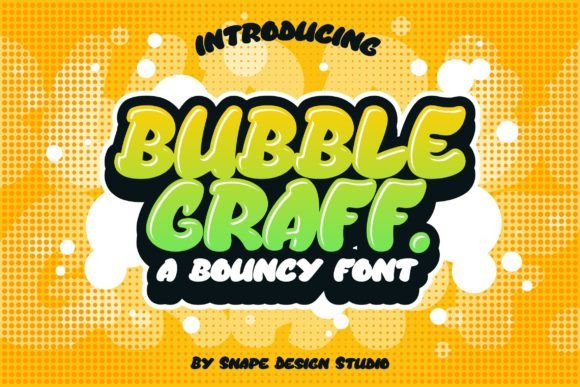
Bubble Graff is a sans-serif typeface characterized by its rounded edges, bold strokes, and exaggerated forms. Unlike standard fonts used for body text or formal documents, it’s designed specifically for display purposes. Its thick letters and cheerful contours give it a hand-drawn feel, which makes it ideal for creative projects that aim to stand out visually without sacrificing legibility.
One of the most notable aspects of Bubble Graff is its ability to convey warmth and approachability. The font feels almost like it was sketched on paper, which adds an element of authenticity rarely found in digital typefaces. This makes it well-suited for branding initiatives targeting younger audiences, such as educational materials, children's books, or marketing campaigns for family-oriented products and services.
Key Characteristics and Design Elements
- Bubbly Structure: Each character appears slightly rounded and soft, mimicking the look of bubbles or balloons. This feature enhances its charm and makes it more inviting for readers.
- Thick Lettering: The robust stroke weight gives the font a strong presence, ensuring it remains visible even at smaller sizes or from a distance.
- High Contrast Between Letters: Despite its playful nature, Bubble Graff maintains clear spacing between characters, preventing them from appearing cluttered or difficult to read.
- Unicode Support: It includes support for a wide range of characters, making it versatile for international use and multilingual design projects.
These features collectively create a font that is both expressive and functional. While not suitable for long passages of text, it excels in headlines, titles, and decorative elements where impact matters most.
Where Can You Use Bubble Graff Effectively?
Bubble Graff finds its sweet spot in projects that benefit from a lighthearted and energetic aesthetic. Here are some real-world applications where this font can truly shine:
- Children's Activities: Whether designing worksheets, posters, or invitations for school events, Bubble Graff adds a sense of excitement and creativity that resonates with young audiences.
- Marketing and Branding: Brands targeting families, educational tools, or toy manufacturers can leverage Bubble Graff to craft logos, advertisements, and social media posts that feel friendly and engaging.
- Event Signage: From birthday party banners to carnival displays, the font’s boldness and cheeriness make it perfect for signage where readability and visual appeal are essential.
- Blog Headers and Website Titles: When used sparingly for headings, it can break up a more traditional layout and add personality to your content.
Realistic Examples of Use
Imagine a classroom poster promoting a science fair. Using Bubble Graff in bright colors like blue, green, and yellow would immediately draw attention and align with the educational yet fun environment. Similarly, a local bakery might use the font for promotional flyers to evoke a sense of joy and nostalgia, especially if they're themed around kid-friendly treats.
For bloggers focusing on lifestyle, parenting, or DIY crafts, incorporating Bubble Graff into section headers or call-out boxes can enhance the visual storytelling aspect of their site while maintaining a cohesive brand identity.
Quality and Usability Considerations
When evaluating a font like Bubble Graff, quality refers to both its technical performance and visual consistency across different platforms and devices. As a professionally crafted display font, it generally renders well in common design software such as Adobe Illustrator, Photoshop, and InDesign. It also performs reliably on web platforms when embedded using appropriate CSS methods.
In terms of usability, Bubble Graff is best suited for short-form text. Attempting to use it for large blocks of content may lead to fatigue for the reader, as its playful style is not optimized for extended reading. However, within its intended scope, it delivers excellent results and integrates smoothly into workflows involving graphic design, print media, or digital publishing.
Flexibility and Customization Options
Fonts that offer multiple weights, styles, or alternate glyphs provide greater flexibility for designers. While Bubble Graff primarily serves as a bold display font, it often comes with complementary variants such as light or italic versions, depending on the provider. These options allow for subtle tonal shifts within the same typographic system, which can be useful in creating layered designs or contrasting elements.
Additionally, many versions of Bubble Graff include stylistic alternates, ligatures, and special characters, enabling users to customize the appearance further. These small touches can help differentiate your work and add a personal flair that’s hard to achieve with more generic fonts.
Who Benefits Most from Bubble Graff?
Bubble Graff is particularly valuable for professionals working in education, marketing, and creative fields. Educators will appreciate its ability to make learning materials more engaging, especially for younger students. Marketers can use it to create eye-catching visuals that align with youthful or family-oriented brands. Freelancers and independent designers might find it beneficial for client projects requiring a whimsical or casual tone.
Small business owners who want to build a warm, relatable brand image could also benefit from integrating Bubble Graff into their branding assets. Its versatility across print and digital formats ensures it can be used consistently across various touchpoints, including packaging, social media, and website headers.
Practical Tips for Using Bubble Graff
To get the most out of Bubble Graff, consider the following best practices:
- Pair with Simpler Fonts: Combine it with a clean, modern sans-serif or serif font for body text to maintain balance and readability.
- Use Bright Colors Strategically: Since the font has a naturally vibrant structure, pairing it with high-contrast or colorful palettes can amplify its visual effect.
- Limit Length: Avoid using it for long paragraphs. Reserve it for headlines, titles, and short bursts of text where its character can be fully appreciated.
- Test Across Devices: Always preview how the font looks on different screens and resolutions before finalizing any project.
When Not to Use Bubble Graff
While Bubble Graff is a powerful tool for certain types of projects, it’s not a one-size-fits-all solution. Avoid using it in situations where clarity and formality are paramount. For example, legal documents, technical manuals, or academic papers typically require fonts with more structured and neutral aesthetics. Similarly, if you’re aiming for a minimalist or corporate design, Bubble Graff may come off as too eccentric.
Long-Term Value and Reliability
A good font should remain relevant and effective over time. Bubble Graff, with its timeless charm and broad applicability, has proven to be a reliable choice for many designers. Its popularity among educators and event planners suggests that it continues to meet the needs of those seeking to add a touch of personality to their materials.
Moreover, as trends in design evolve, having access to a font that blends creativity with practicality ensures that your projects stay fresh and adaptable. Whether you’re redesigning a website or updating a product line, Bubble Graff can serve as a consistent element that reflects your brand’s voice and values.
Conclusion and Final Thoughts
Bubble Graff is a standout option for anyone looking to inject energy and authenticity into their visual projects. Its bold, bubbly design works exceptionally well in environments that prioritize engagement and emotional connection. By understanding its strengths and limitations, you can determine whether it fits your specific needs and creative goals.
If you frequently work with children, schools, or family-oriented content, consider adding Bubble Graff to your typography toolkit. Evaluate how it complements your existing design language and enhances your message. With thoughtful application, it can elevate your work and leave a lasting impression on your audience.