Dirty: A Bold Display Font for Creative Projects
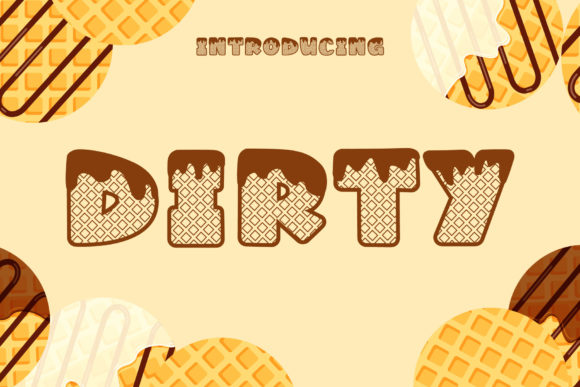
Fonts are more than just letters—they’re the visual heartbeat of your design. Choosing the right typeface can transform a simple message into an attention-grabbing statement. Dirty is a display font that stands out with its raw, edgy aesthetic and dynamic character shapes. It brings energy and personality to any creative project, making it a go-to choice for designers who want to add flair without sacrificing impact.
What Makes Dirty Unique?
Dirty is not your average sans-serif or serif font. Its name gives away its vibe—this is a font with attitude. Each letter is crafted with irregular edges, subtle imperfections, and a sense of movement that makes it feel alive on the page. These characteristics make it especially effective in contexts where you want to evoke emotion, create contrast, or break through the visual noise.
One of the most compelling aspects of Dirty is its versatility within its niche. While it leans heavily into a bold, modern look, it still maintains enough structure to be legible when used appropriately. This balance between chaos and clarity is what sets it apart from other fonts in the same category. It’s like graffiti meets graphic design—edgy yet controlled.
Key Features of Dirty
- High Contrast: The thick strokes and thin lines give each character a dramatic presence.
- Unique Character Set: Includes special symbols and stylized numbers that enhance branding efforts.
- Modern Edge: Perfect for digital and print projects that aim to stand out.
- Customizable Weight: Offers variations to suit different design needs, from subtle background overlays to front-and-center headlines.
Creative Applications of Dirty
Display fonts like Dirty are best used in short bursts where their strong visual identity can shine. Here are some real-world scenarios where this font excels:
Product Packaging
When designing product packaging, especially for lifestyle or fashion brands, Dirty adds a layer of boldness and uniqueness. Think about a new line of streetwear or urban accessories—Dirty could be the perfect fit for labels, tags, or promotional inserts. Its rough texture can complement materials like matte finishes or distressed textures, enhancing the overall brand experience.
Example: Use Dirty for the name on a limited-edition sneaker box. Pair it with high-quality photography and a muted background to let the font take center stage while maintaining readability.
Branding Projects
For branding projects targeting younger demographics or niche markets, Dirty offers a fresh and memorable approach. It can be used in logos, taglines, or promotional banners to communicate a sense of rebellion, creativity, or authenticity.
Tip: When integrating Dirty into a logo, consider using it as a secondary font alongside a more structured primary typeface. This combination can help maintain brand coherence while adding visual interest.
Magazine Covers and Editorial Design
Magazines that focus on music, art, or youth culture often rely on striking typography to catch readers’ eyes. Dirty can be used effectively in titles or subheadings to convey intensity or mood. Its distinctive style works well with vibrant photos or abstract illustrations, creating a cohesive yet powerful visual narrative.
Realistic use case: Apply Dirty to a headline for a feature on underground artists or experimental music. Let the font reflect the raw energy of the subject matter.
Social Media and Digital Content
In the fast-paced world of social media, first impressions are everything. Dirty can help your posts pop by drawing immediate attention to key phrases or hashtags. Whether you're promoting a new product, sharing behind-the-scenes content, or highlighting user-generated material, this font can inject personality into your feed.
Best practice: Keep text short and impactful. Use Dirty for call-to-action buttons or quotes that need emphasis. Combine it with contrasting colors or layered effects to enhance visibility across platforms like Instagram, Twitter, or Facebook.
Wedding Invitations and Event Branding
While Dirty might seem unconventional for wedding invitations, it can work beautifully in certain themes. For example, rustic barn weddings, vintage motorcycle events, or avant-garde celebrations benefit from its gritty charm. Just ensure it complements the overall design rather than overwhelming it.
Pro tip: If you're using Dirty for event titles or signage, pair it with a softer, more elegant font for supporting details. This contrast helps guide the reader's eye and creates a balanced layout.
How to Adapt Dirty for Different Goals and Audiences
Designers working across various industries will find that adapting Dirty requires understanding the context and audience. Below are a few strategies tailored to different professional goals:
Marketers and Entrepreneurs
If you're marketing a product or launching a startup, Dirty can be a great way to communicate boldness and innovation. Use it sparingly for key selling points or slogan placement to avoid visual clutter. Test it on mockups before finalizing designs to ensure it resonates with your target demographic.
Bloggers and Content Creators
Bloggers looking to elevate their content aesthetics can use Dirty for headings, pull quotes, or post titles. It’s particularly useful for topics related to pop culture, DIY projects, or personal branding. Remember to keep body text readable—use Dirty only where it enhances the message without hindering comprehension.
Freelancers and Educators
Freelancers offering creative services such as logo design or editorial illustration can showcase Dirty in their portfolio to demonstrate stylistic range. Educators might use it in presentations or workshop materials to spark discussion around typography choices and how they influence perception.
Publishers and Small Business Owners
For publishers of zines, catalogs, or niche magazines, Dirty can become part of the publication’s visual identity. Similarly, small business owners with a unique brand voice may find it aligns perfectly with their story. Always consider the platform—whether digital or print—and adjust the font size and spacing accordingly for optimal readability.
Practical Tips for Using Dirty Effectively
To get the most out of Dirty, here are a few grounded recommendations based on real-world usage:
- Use for Short Text Only: Because of its stylized nature, Dirty isn’t suited for long paragraphs. Reserve it for headlines, titles, or captions.
- Pair Thoughtfully: Combine it with a clean, neutral font for body text to maintain hierarchy and legibility.
- Consider Backgrounds: Since Dirty has a lot of visual weight, use it over light or neutral backgrounds to prevent text from blending in.
- Test Across Devices: Ensure that Dirty renders clearly on mobile screens and tablets. Sometimes, stylized fonts lose detail at smaller sizes.
- Stay Consistent: If you use Dirty in multiple parts of a project (e.g., a website header and a newsletter), apply it consistently to reinforce brand recognition.
Where to Get Dirty
If you're excited to try Dirty in your next project, you’ll want to source it from a reputable font provider. Look for sites like Fonts.com, MyFonts, or Font Squirrel to download and preview it before purchasing. Some platforms offer free versions with limitations, which can be ideal for hobbyists or testing purposes.
Once you’ve acquired the font, import it into your preferred design software (like Adobe Illustrator, Photoshop, or Figma) and start experimenting. Don’t forget to check licensing terms—especially if you plan to use it commercially—to ensure compliance.
Conclusion
Dirty is more than just a font; it’s a tool for expression. With its bold, expressive style, it invites designers to push boundaries and explore new ways of communicating through visuals. Whether you're crafting a magazine cover, designing a product label, or sprucing up a social media campaign, Dirty can help you capture attention and tell your story with confidence.
The key is to understand its strengths and limitations. Use it where it can add value, not just for the sake of being different. When applied thoughtfully, Dirty becomes a powerful ally in your creative toolkit—one that speaks volumes without saying a word.