Exploring the Aesthetic and Functional Power of Fenoon: A Modern Take on Square Kufic Script
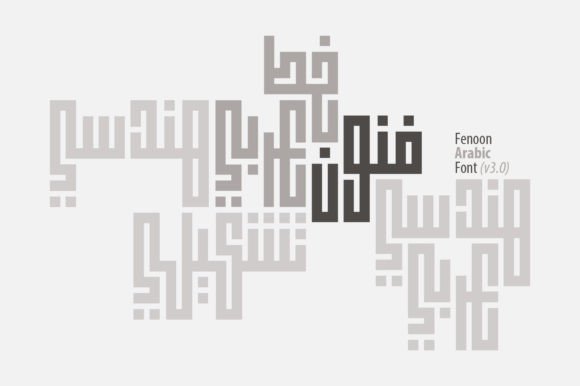
Fenoon is an Arabic display font that breathes new life into one of the most iconic and historically rich scripts in the Arab world — the ancient Square Kufic. Designed with a contemporary sensibility, it bridges the gap between traditional calligraphy and modern typography, making it a versatile and powerful tool for visual storytelling. Whether you're working on branding, packaging, art events, or digital campaigns, Fenoon offers a unique blend of heritage and innovation that resonates across creative and business landscapes.
The Roots of Square Kufic and the Birth of Fenoon
To understand Fenoon’s significance, we must first appreciate its origins. Square Kufic is one of the oldest styles of Arabic calligraphy, dating back to the early days of Islam. It is characterized by its angular, block-like forms, which make it highly legible yet visually striking. This script was widely used in architectural inscriptions, manuscripts, and decorative arts throughout the Islamic Golden Age.
Fenoon takes inspiration from these geometric roots but reimagines them for today's design needs. The result is a bold, clean, and expressive typeface that maintains the structural integrity of Square Kufic while adapting to the demands of modern media and technology. Its designers have preserved the essence of the original script while enhancing its adaptability for screen displays, print, and large-scale visuals.
A Font That Respects Tradition While Embracing Innovation
What sets Fenoon apart is its ability to honor cultural identity without being constrained by historical limitations. Many traditional Arabic fonts struggle with legibility on digital platforms or are too ornate for use in branding and marketing materials. Fenoon solves this problem by offering a simplified yet elegant form of Square Kufic that works seamlessly across various mediums.
This balance makes it particularly appealing to professionals who need to incorporate Arabic script into their work while maintaining a modern aesthetic. From logos and posters to app interfaces and website headers, Fenoon provides a distinctive look that can elevate any project.
Fenoon in the Context of Creative and Business Trends
In recent years, there has been a growing interest in culturally rooted design elements within global creative industries. Designers, marketers, and entrepreneurs are increasingly seeking ways to infuse authenticity into their projects, especially when targeting audiences in the Middle East and beyond. Fenoon aligns perfectly with this trend, offering a fresh take on a script deeply embedded in Arab history and culture.
For creative professionals, such as graphic designers and typographers, Fenoon represents a valuable addition to their toolkit. Its structured geometry allows for strong visual impact, which is essential in environments like poster design, exhibition branding, and product packaging. In contrast to more fluid scripts, Fenoon stands out in minimalist compositions, making it ideal for high-end fashion labels, luxury goods, and cultural institutions.
Entrepreneurs and marketers are also drawn to Fenoon because it communicates sophistication and tradition. In a market where brand identity plays a crucial role in customer perception, using a font like Fenoon can help establish a sense of credibility and uniqueness. For instance, businesses in the hospitality, education, and cultural sectors often leverage such fonts to reinforce their messaging and appeal to both local and international audiences.
Adapting to Digital and Print Needs
One of the most compelling aspects of Fenoon is its adaptability. As digital communication continues to evolve, the demand for fonts that perform well on screens is higher than ever. Fenoon is optimized for clarity at different sizes and resolutions, ensuring it remains legible and impactful whether viewed on a mobile phone or printed on a billboard.
This adaptability is not just about aesthetics; it's also about usability. With more brands investing in multilingual content strategies, having a reliable Arabic font like Fenoon is essential. It supports a wide range of characters and ligatures, enabling seamless integration into Arabic text without compromising style or function.
Why People Are Paying Attention to Fenoon
There are several reasons why Fenoon is gaining traction among professionals and creatives:
- Cultural Authenticity: It reflects the deep heritage of Arabic calligraphy, making it a go-to choice for projects that aim to celebrate or represent Middle Eastern culture.
- Modern Relevance: Unlike many traditional scripts that feel outdated, Fenoon feels current and fresh. It appeals to younger generations while still respecting the past.
- Design Flexibility: Its structured form allows for creative manipulation without losing readability, making it suitable for everything from editorial layouts to user interface (UI) designs.
- Brand Differentiation: In competitive markets, standing out is key. Fenoon helps brands create memorable and visually cohesive identities that resonate emotionally with their audience.
Changing Preferences and Workflows
As the design industry shifts toward more inclusive and globally aware practices, the use of Arabic typography is becoming more widespread. Designers are no longer limited to English-centric fonts when creating content for Arabic-speaking regions or multicultural audiences. Instead, they are exploring how Arabic fonts can contribute to a more nuanced and authentic design language.
Moreover, the rise of remote collaboration and cross-cultural teams means that fonts must be accessible and compatible across different software platforms and languages. Fenoon is designed with these considerations in mind, ensuring smooth performance in popular design tools like Adobe Illustrator, Photoshop, and Figma. This compatibility streamlines workflows and reduces the time spent adjusting and testing typefaces.
Practical Applications of Fenoon
Fenoon is already being used in a variety of real-world applications. Here are some practical examples:
- Visual Identities: Brands looking to build a strong, cultural presence often choose Fenoon for their logotypes. Its bold structure makes it perfect for creating logos that are both timeless and modern.
- Art Events and Exhibitions: Museums, galleries, and event organizers use Fenoon in promotional materials to evoke a sense of tradition and grandeur. Its clean lines ensure that even intricate designs remain legible and professional.
- Packaging Design: Luxury food products, cosmetics, and lifestyle items frequently feature Fenoon in their packaging. It adds a touch of elegance while clearly communicating the brand’s message in Arabic.
- Digital Projects: Web developers and UX/UI designers utilize Fenoon in Arabic-facing websites and apps. Its clear letterforms make it suitable for buttons, headings, and interactive elements where readability is paramount.
These applications highlight how Fenoon is not just a font but a strategic design asset. It enables creators to craft experiences that are visually engaging and culturally relevant, helping to bridge the gap between tradition and innovation.
Observations from the Field
Many designers have noted that Fenoon brings a level of professionalism and depth to their projects that is difficult to achieve with other Arabic display fonts. Its angular forms lend themselves well to photography-based designs, allowing for strong contrast against images and backgrounds. Additionally, the font’s uniform stroke width and spacing make it ideal for signage and wayfinding systems in public spaces, where legibility is critical.
Freelancers and small agencies have also found Fenoon to be a cost-effective solution for clients who want to integrate Arabic script into their branding without relying on expensive custom calligraphy. The font strikes a balance between affordability and quality, offering a premium look without the premium price tag.
Connecting to Larger Industry Developments
Fenoon fits into broader trends in the design and tech industries. One such trend is the increasing focus on multilingual typography. As globalization accelerates, companies are recognizing the importance of designing with inclusivity in mind. High-quality Arabic fonts like Fenoon support this shift by providing a visually appealing and technically sound option for non-English content.
Another trend is the revival of traditional aesthetics in modern contexts. Whether it’s through fashion, architecture, or digital design, there is a renewed appreciation for craftsmanship and heritage. Fenoon taps into this movement by offering a digital interpretation of a centuries-old script, proving that tradition can coexist with innovation.
Additionally, Fenoon reflects the growing emphasis on localization in marketing. As brands expand into new markets, they must tailor their visual language to reflect local tastes and values. Using a font like Fenoon shows a commitment to understanding and respecting the region’s culture, which can lead to stronger consumer trust and engagement.
Looking Ahead: The Future of Arabic Typography
As the digital landscape continues to evolve, so will the role of Arabic fonts like Fenoon. We’re likely to see increased adoption in e-commerce, social media campaigns, and interactive experiences tailored for Arabic-speaking users. Furthermore, as AI-driven design tools become more prevalent, the availability of well-crafted, open-source Arabic fonts will play a vital role in enabling automated design solutions that respect linguistic diversity.
For designers and developers, staying ahead of these trends means investing in tools and resources that allow for creative flexibility and cultural sensitivity. Fenoon is positioned to meet these needs head-on, offering a font that is as functional as it is beautiful.
Conclusion
Fenoon is more than just an Arabic display font; it is a reflection of the evolving relationship between tradition and modernity in the design world. Inspired by the ancient Square Kufic script, it captures the spirit of a storied past while meeting the demands of contemporary creative and business practices. Its versatility, clarity, and cultural resonance make it a standout choice for professionals who value both aesthetics and functionality.
Whether you're crafting a logo for a new startup, designing a poster for an art festival, or building a website for a Middle Eastern brand, Fenoon offers a compelling solution. By integrating this font into your workflow, you’re not just choosing a typeface — you’re embracing a design philosophy that honors heritage and looks forward to the future.