Happy Island: A Playful Font for Creative Branding
Fonts do more than just convey text—they shape perceptions, evoke emotions, and define the personality of a brand. Choosing the right font is an essential part of visual communication, especially in creative fields where first impressions matter. Enter Happy Island, a display font that brings charm, whimsy, and character to any project. Designed with versatility and fun in mind, Happy Island stands out as a go-to option for professionals who want to infuse their branding with a sense of joy and originality.
What Makes Happy Island Unique?
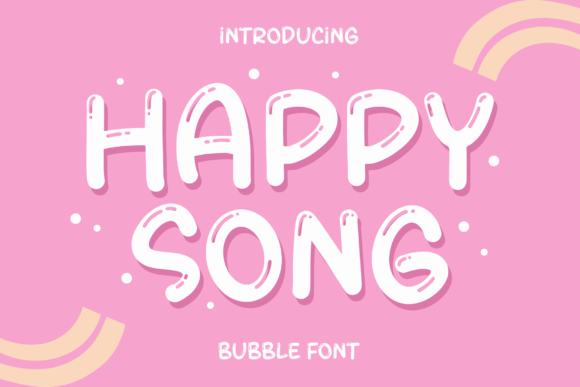
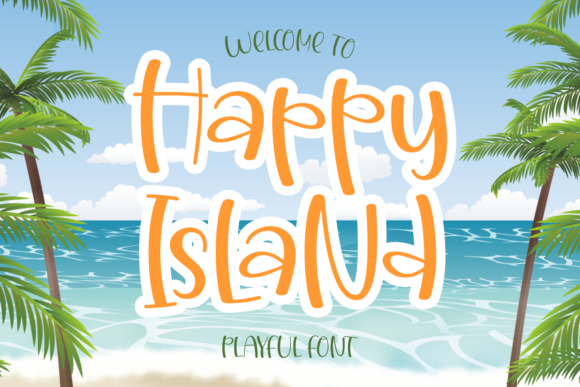
At its core, Happy Island is a playful, fun, and quirky display font. Unlike standard sans-serif or serif fonts used in body text, display fonts like Happy Island are specifically crafted for headlines, logos, posters, and other attention-grabbing applications. Its hand-drawn aesthetic and cheerful curves give it a distinctive vibe—perfect for projects that aim to stand out in a crowded market.
The font’s design suggests movement and warmth, making it ideal for brands targeting younger audiences or those with a lighthearted tone. It balances creativity with clarity, ensuring that even when stylized, the message remains legible and impactful.
Why Should You Care About Display Fonts Like Happy Island?
Display fonts play a crucial role in branding because they help establish identity and emotional connection. Think about your favorite logos—many use unique typefaces to reflect their values and appeal. For example, a children's toy store might choose a rounded, playful font to create a sense of safety and fun. Similarly, a boutique coffee shop could use a quirky font to express its independent and creative spirit.
Happy Island fits into this category seamlessly. Whether you're designing a logo for a startup, creating packaging for a new product line, or printing t-shirts for a pop-up event, this font adds a layer of personality that can enhance recognition and customer engagement.
Practical Uses for Happy Island
One of the most common uses for Happy Island is in logo design. Its bold yet approachable style makes it suitable for businesses in industries such as entertainment, fashion, food, and lifestyle. Because it’s a display font, it works best in larger sizes where its details can shine. When paired with the right colors and imagery, it can transform a simple text-based logo into a memorable visual identity.
Consider a small business owner launching a handmade soap company. They may want their logo to feel natural and inviting. Using Happy Island in the brand name gives a warm, artisanal feel, setting the tone for their entire product line. The same applies to educators creating promotional materials for a school art fair or bloggers wanting to add flair to their website headers.
Enhancing T-Shirt Printing with Personality
T-shirt printing is another area where Happy Island shines. Apparel brands often rely on typography to communicate style and attitude without needing complex graphics. The font’s friendly curves and lively rhythm make it perfect for slogans, names, and taglines printed on clothing.
For instance, a local music festival might print “Let the Good Times Roll” in Happy Island across the front of commemorative shirts. The font adds a sense of excitement and spontaneity that aligns with the event’s atmosphere. This kind of thoughtful typographic choice helps products resonate emotionally with buyers, increasing perceived value and wearability.
Who Can Benefit Most from Happy Island?
While anyone involved in design can appreciate Happy Island, certain professionals will find it particularly useful:
- Entrepreneurs launching a new brand or rebranding an existing one.
- Graphic designers looking to add a fresh, eye-catching element to client projects.
- Small business owners aiming to differentiate their offerings visually.
- Marketing teams tasked with creating engaging social media content or promotional assets.
- Freelancers in creative fields who need versatile tools to meet diverse client needs.
These individuals often work under tight deadlines and within specific budgets. Happy Island supports them by offering a high-quality, expressive font that doesn’t require complicated layout techniques to look great. Its ready-to-use nature simplifies the design process, helping users focus on the bigger picture rather than spending hours tweaking typography.
A Case Study in Creative Product Design
Take the case of a stationery designer who creates greeting cards for various occasions. Traditional fonts can sometimes feel generic, especially when competing against mass-produced alternatives. By using Happy Island in key elements like the card title or main message, the designer injects a personal touch that sets their products apart.
This subtle shift can lead to better customer retention and increased sales. Buyers remember not just what they see but how they feel while viewing it. A font that evokes positivity and playfulness can be the difference between a customer choosing your product over another.
How Happy Island Supports Creativity and Communication
Happy Island isn’t just about looks—it also plays a role in how effectively your message communicates. The font’s open letterforms and consistent stroke weight make it easy to read at a glance, which is important for signage, advertisements, and digital banners. At the same time, its quirky charm invites curiosity and interaction.
For marketers, this means that campaigns using Happy Island can capture attention quickly and encourage viewers to engage further. In the world of branding, where differentiation is key, using a font like Happy Island can help a message break through the noise and connect on a more personal level.
Streamlining Your Design Workflow
Designers often juggle multiple projects with varying requirements. Finding a font that’s both stylish and functional can save significant time. Happy Island is designed to work well across different platforms and formats, including print and web. It maintains its visual appeal whether scaled up for a billboard or shrunk down for a mobile ad.
Its compatibility with modern design software and file formats (like OTF and TTF) ensures that it integrates smoothly into workflows. Whether you’re using Adobe Illustrator, Photoshop, or online tools like Canva, Happy Island adapts easily to suit your needs. This adaptability makes it a reliable tool for creators who prioritize efficiency without compromising on quality.
When to Consider Alternatives
Despite its many strengths, Happy Island may not be the best fit for every situation. As a display font, it lacks the subtlety and readability required for long-form text. Attempting to use it for body copy in brochures or websites would likely result in a cluttered and confusing experience for readers.
Additionally, if your brand’s voice is serious or formal, the playful nature of Happy Island might clash with the intended message. It’s always wise to test how a font pairs with your brand’s overall aesthetic before finalizing your design. Comparing options side-by-side with similar fonts can help ensure the best match for your specific goals.
Pairing Happy Island with Other Fonts
Combining Happy Island with a more neutral, clean font can create balance in your designs. For example, pairing it with a sans-serif like Montserrat or Open Sans allows the quirky font to take center stage while keeping supporting text professional and easy to read. This technique is widely used in branding to highlight key messages without overwhelming the viewer.
Designers who understand font pairing can leverage Happy Island to elevate their layouts while maintaining usability. This dual-purpose strategy supports clearer communication and more visually appealing results.
Happy Island in Educational and Community Projects
Education and community initiatives often benefit from a warm and welcoming visual style. Teachers and workshop organizers can use Happy Island to create signs, flyers, and promotional materials that feel inclusive and engaging. The font’s upbeat energy can help reduce the intimidation factor associated with some educational environments, especially for children or newcomers.
Imagine a summer arts camp promoting itself with large, colorful posters. Using Happy Island for the event title instantly conveys creativity and fun, encouraging families to sign up. Similarly, nonprofit organizations running awareness campaigns might find the font useful in crafting messages that feel uplifting and positive.
Using Happy Island for Digital Content
In the digital space, where attention spans are short and competition for visibility is fierce, typography must work hard to make an impression. Happy Island can help here too. Bloggers, YouTubers, and podcasters often use custom fonts in thumbnails, titles, and cover art. The font’s vibrant character can turn a plain headline into something eye-catching and shareable.
For instance, a travel vlog titled “Wanderlust & Whimsy” set in Happy Island immediately signals adventure and a lighthearted tone. This kind of typographic storytelling helps build audience trust and loyalty, especially when the font consistently appears across all content channels.
Conclusion
Happy Island is more than just a pretty font—it’s a strategic design asset that supports creativity, enhances communication, and adds a touch of personality to branding efforts. From logos and t-shirt printing to promotional materials and digital content, it offers a unique visual language that can help your message stand out.
By understanding its strengths and limitations, you can use Happy Island effectively to meet your design goals. It’s a versatile option for professionals and hobbyists alike who seek to blend functionality with fun in their creative work. So the next time you’re working on a project that needs a little extra charm, consider giving Happy Island a try.