Return Space: A Futuristic Font for the Modern Age of Design
In the ever-evolving world of typography, finding a font that stands out while maintaining functionality can be challenging. Enter Return Space, a futuristic and modern space-themed typeface designed to capture the essence of sci-fi aesthetics with precision and flair. Whether you're crafting content for a digital game, designing a website for a tech startup, or creating promotional material for a space-themed event, Return Space brings a unique visual identity to your project. This article explores the characteristics, advantages, use cases, and considerations when working with this innovative font.
The Visual Language of Return Space
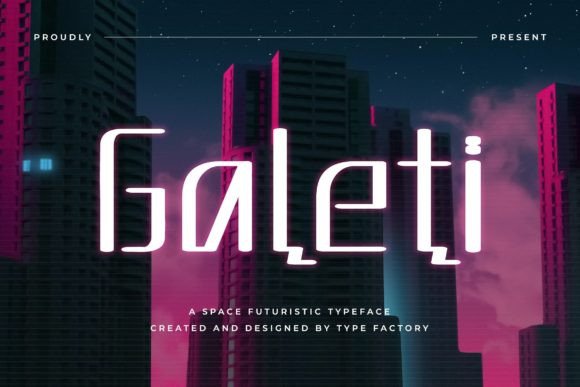
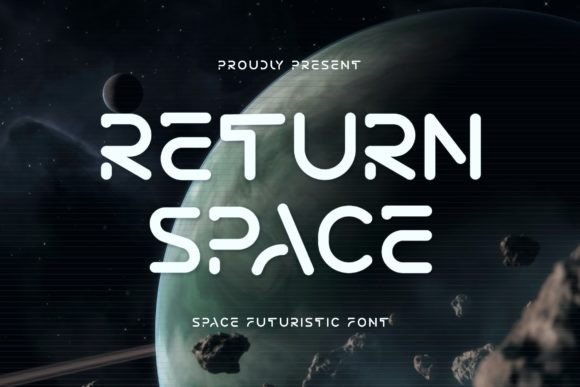
Typography is more than just arranging letters—it's about communication through style and form. Return Space is a prime example of how design can shape perception. Its sleek, geometric structure evokes the imagery of advanced technology, starships, and distant galaxies. The font features sharp angles, clean lines, and subtle curves that give it a dynamic yet readable appearance. These elements work together to create a sense of movement and innovation, making it ideal for projects that aim to inspire or captivate a forward-thinking audience.
The font’s character set is thoughtfully crafted to support both standard and extended language systems. With its PUA (Palette User Area) encoding, Return Space allows designers to access special glyphs and ligatures seamlessly. This feature enhances typographic flexibility, enabling creative compositions without compromising legibility. For instance, symbols like rockets, stars, and circuit patterns are embedded within the font, offering an easy way to integrate thematic visuals into text without relying on images or icons.
Design Elements That Define Return Space
- Geometric Precision: Each glyph in Return Space is built using precise mathematical shapes, which gives the font a structured and futuristic look.
- High Contrast: The interplay between thick and thin strokes adds depth and dimension to the characters, enhancing their visual impact on screens and print alike.
- Open Apertures: Letters like "e," "a," and "g" have generous apertures, ensuring clarity even at smaller sizes.
- Ligature Support: Special ligatures help streamline complex letter combinations, adding a touch of sophistication to the design.
Why Choose Return Space?
There are countless fonts available today, but few offer the perfect balance of style and usability like Return Space. Here are some reasons why it has become a go-to choice for designers across various industries:
- Modern Aesthetic: The font’s contemporary design aligns well with current trends in science fiction and digital media. It conveys a sense of cutting-edge innovation that resonates with audiences seeking immersive experiences.
- Thematic Versatility: While clearly inspired by space and technology, Return Space isn’t limited to those niches. It works equally well for branding in fields such as artificial intelligence, gaming, and even luxury fashion, where a minimalist yet bold style is desired.
- Professional Readability: Despite its stylized approach, Return Space maintains high readability. This makes it suitable not only for logos and headlines but also for body text in editorial or interface designs.
- Creative Freedom: Thanks to its PUA-encoded glyphs, users can experiment with unique symbols and ligatures without the need for complicated software or plugins. This opens up new avenues for creative expression and visual storytelling.
Real-World Use Cases
Fonts play a crucial role in shaping user experience and brand identity. Here are some real-world scenarios where Return Space shines:
- Game Titles and UI Design: Video games often require fonts that evoke a sense of adventure and futurism. Return Space fits perfectly into sci-fi genres, from space exploration simulators to cyberpunk narratives.
- Website Headers and Logos: Businesses in the tech sector or those aiming for a futuristic vibe can leverage Return Space to create striking headers and logos that reflect their vision and values.
- Event Branding and Posters: Whether it's a film premiere, a tech conference, or a cosplay convention, Return Space helps designers craft eye-catching posters and banners that align with the theme.
- Print Media and Merchandise: The font’s crisp edges and balanced spacing make it ideal for printed materials like brochures, t-shirts, and merchandise related to space exploration or technological advancements.
Who Benefits Most from Using Return Space?
While Return Space is versatile enough for many applications, certain professionals and creators will find it particularly valuable:
- Graphic Designers: Those looking to add a futuristic edge to their portfolios or client projects can benefit from the font’s expressive yet functional nature.
- Web Developers: When building sites for gaming companies, space agencies, or tech startups, developers can use Return Space to enhance the visual appeal of interfaces and navigation menus.
- Content Creators: YouTubers, podcasters, and social media managers involved in science, technology, or entertainment may use Return Space to create engaging thumbnails, titles, and promotional graphics.
- Branding Agencies: The font offers a distinctive visual language that can help differentiate brands in competitive markets, especially those targeting younger or tech-savvy demographics.
- Educational Institutions: Schools and universities with STEM programs might incorporate Return Space into course materials, presentations, or promotional campaigns to emphasize innovation and future-focused learning.
Considerations Before Implementation
Before integrating Return Space into your project, consider the following factors to ensure optimal results:
- Context Matters: While Return Space is visually striking, it may not always be appropriate for every context. Avoid using it in formal or traditional settings where a more classic font would be better suited.
- Color Pairing: The font’s bold and futuristic style pairs best with contrasting colors—think metallic grays, electric blues, or neon accents. Subtle gradients or light backgrounds can further enhance its visual appeal.
- Accessibility: Ensure that any color combination used with Return Space meets accessibility standards. High contrast between text and background is essential for readability, especially for users with visual impairments.
- Font Licensing: Always verify the licensing terms of Return Space before using it commercially. Some fonts require specific permissions for use in products sold online or in physical form.
Technical Aspects and Integration
Using Return Space effectively involves understanding its technical properties and how they interact with different platforms and tools. Here’s what you need to know:
PUA Encoding Explained
One of the standout features of Return Space is its PUA encoding. Unlike standard Unicode fonts, PUA-encoded fonts include custom glyphs that aren't part of the usual character set. These glyphs are accessible via specialized software or font editors that support PUA characters. However, many modern design applications, such as Adobe Illustrator, Photoshop, and InDesign, allow direct access to these glyphs without requiring additional setup.
Compatibility Across Platforms
Return Space is compatible with most operating systems and web technologies. It supports Windows, macOS, Linux, iOS, and Android, making it a reliable choice for cross-platform projects. On the web, it can be implemented using WOFF or TTF formats, ensuring fast loading times and broad browser support. For developers, embedding Return Space in websites is straightforward with standard @font-face techniques.
Comparisons and Alternatives
Though Return Space is unique in its own right, it shares similarities with other futuristic fonts like Orbitron, Exo 2, and Rokkitt. However, each of these fonts has its own distinct personality and purpose:
- Orbitron: Known for its rounded, robotic look, Orbitron is great for casual or playful sci-fi themes but lacks the angular precision of Return Space.
- Exo 2: A highly adaptable sans-serif font with excellent support for multiple languages and weights. It’s more utilitarian compared to Return Space’s thematic focus.
- Rokkitt: Offers a strong, industrial feel with a slightly heavier build. It’s ideal for retro-futuristic designs but doesn’t provide the same level of embedded glyphs as Return Space.
If your project demands a font with embedded symbols and a clear space motif, Return Space provides an advantage over these alternatives. Its integrated glyphs eliminate the need for external icon sets, streamlining the design process and ensuring visual consistency.
When Not to Use Return Space
Despite its strengths, there are situations where Return Space may not be the best fit:
- Long-form Reading: Though readable, the font’s stylistic elements can make it less comfortable for extended reading sessions. Save it for headlines, logos, or short bursts of text.
- Traditional Print Jobs: In formal documents such as legal contracts, academic papers, or business reports, a more conventional serif or sans-serif font is typically preferred.
- Small-Screen Displays: On mobile devices or low-resolution screens, some of the font’s intricate details may not render clearly. Test it thoroughly before finalizing layouts for digital interfaces.
Tips for Maximizing the Impact of Return Space
To get the most out of Return Space, consider these practical tips:
- Layer with Other Fonts: Combine Return Space with a complementary sans-serif or monospace font for a layered effect that adds visual interest without overwhelming the viewer.
- Use Ligatures Creatively: Experiment with the font’s ligatures to create unique phrases or stylized titles. Just be mindful of legibility—don’t overdo it in areas where clarity is critical.
- Customize with Effects: Apply subtle effects like gradients, shadows, or outlines to highlight key elements. These enhancements can make the font pop in both digital and print contexts.
- Stay Consistent: If using Return Space for branding or long-term projects, maintain consistent styling across all platforms to reinforce recognition and professionalism.
Case Study: Gaming Industry Application
A notable case of Return Space in action is its use in the logo and interface design of a popular indie game titled “Galactic Rift.” The developers wanted a font that reflected the game’s sci-fi setting while remaining legible during gameplay. They chose Return Space for its bold, futuristic look and embedded glyphs, which allowed them to incorporate spaceship and planet symbols directly into the title. The result was a cohesive and memorable visual identity that contributed to the game’s overall success in marketing and player engagement.
Future Trends and Relevance
As we continue to push the boundaries of technology and explore the cosmos, the demand for fonts that embody these themes is growing. Return Space is well-positioned to meet this need, offering a blend of style and substance that appeals to both designers and end-users. In the coming years, we can expect to see increased adoption of such fonts in virtual reality environments, AI-driven interfaces, and educational materials focused on STEM subjects.
Moreover, the rise of no-code and low-code design tools means that even non-designers can experiment with fonts like Return Space. This democratization of design is helping to bring more diverse and imaginative typography into mainstream use, and Return Space is a prime candidate for this trend due to its intuitive features and aesthetic versatility.
Where to Find Return Space
If you’re interested in using Return Space for your next project, it’s widely available through reputable font marketplaces and design resource sites. Always download from trusted sources to avoid issues with licensing or compatibility. Once installed, you can start exploring its full potential immediately—no special training or tools required.
Remember to check the license agreement carefully if planning to use the font in commercial or public-facing projects. Many fonts, including Return Space, offer different tiers of usage rights depending on whether it's for personal or professional purposes.
Conclusion
Return Space is more than just a font—it's a tool for visual storytelling in a digital age fascinated by the future. Whether you're a designer, developer, educator, or hobbyist, the font offers a compelling way to express ideas rooted in science, space, and technology. Its PUA-encoded glyphs, clean design, and thematic richness make it a standout choice for anyone looking to elevate their creative output with a touch of cosmic flair.