Roman Lemonade: A Playful Font for Bold and Creative Designs
If you're on the hunt for a font that brings personality, charm, and a touch of whimsy to your creative projects, Roman Lemonade might just be the perfect choice. This versatile typeface is designed with both fun and functionality in mind, making it ideal for branding, packaging, and any design where a playful yet bold aesthetic can shine.
What Makes Roman Lemonade Unique?
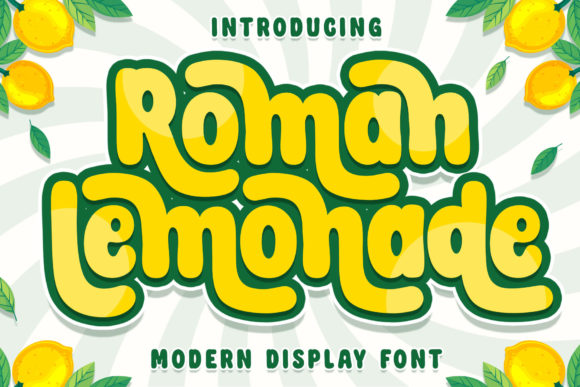
Roman Lemonade stands out thanks to its unique combination of thickness, structure, and character. It's not your average sans-serif or serif font; instead, it blends elements from both styles to create something fresh and eye-catching. The thick strokes and rounded edges give it a friendly, approachable feel, while the bold weight ensures it commands attention wherever it's used.
This font is also PUA encoded, which means accessing its special glyphs and ligatures is straightforward. Whether you're a designer or someone who's just starting to explore typography, this feature makes using Roman Lemonade more intuitive and less technically demanding than many other decorative fonts.
Key Features of Roman Lemonade
- Bold and thick letterforms that pop on screens and in print.
- A playful, almost hand-drawn style that adds warmth and creativity.
- Comprehensive glyph set including ligatures, symbols, and alternate characters.
- High legibility despite its stylized appearance, especially at larger sizes.
- Perfectly suited for modern branding and packaging designs.
Who Can Benefit from Using Roman Lemonade?
While Roman Lemonade has broad appeal, certain types of users will find it particularly beneficial:
Business Owners and Branding Professionals
If you're building a brand identity or redesigning your logo, this font can add a distinctive visual element that sets your business apart. Its playful nature works well for companies targeting younger audiences or those in industries like food and beverage, fashion, or entertainment.
Graphic Designers and Creatives
Designers often look for fonts that offer both style and substance. Roman Lemonade provides an excellent balance, allowing for expressive typographic treatments without sacrificing readability. It’s especially useful for posters, social media graphics, invitations, and product labels where visual impact is key.
Content Creators and Social Media Managers
In the world of content creation, typography plays a crucial role in engagement. Roman Lemonade helps craft visually appealing posts, banners, and promotional materials that stand out in crowded feeds. Its boldness ensures your message isn't lost among the noise.
Where Can You Use Roman Lemonade?
The applications for Roman Lemonade are wide-ranging. Here are some common use cases:
- Branding and Logos: Ideal for creating memorable logos and brand names that reflect energy and creativity.
- Packaging Design: Adds a vibrant touch to product boxes, bottles, and wrappers—especially for artisanal or lifestyle products.
- Social Media Content: Enhances the visual appeal of Instagram posts, Twitter headers, Facebook banners, and YouTube thumbnails.
- Marketing Materials: Great for headlines in brochures, flyers, and advertisements where you want to make a strong impression.
- Event Invitations and Posters: Brings a sense of fun and flair to event designs, helping them catch the eye and spark interest.
Real-World Examples
Imagine a boutique coffee shop launching a new summer menu. They could use Roman Lemonade for their promotional signage, giving the campaign a refreshing and youthful vibe. Similarly, a children's clothing brand might choose this font for its website headers and product tags to evoke a sense of joy and playfulness.
Another example is a digital marketing agency producing a client's social media campaign. By incorporating Roman Lemonade into the text overlays of video ads, they can create a dynamic and engaging look that aligns with the brand's target audience.
Strengths and Practical Considerations
There are several strengths to consider when choosing Roman Lemonade:
- Its bold and thick style makes it highly visible even at a distance.
- The playful tone can help convey a sense of friendliness and innovation.
- With PUA encoding, it’s easy to access additional characters without needing advanced software knowledge.
However, there are also a few things to keep in mind:
- Due to its stylized nature, it may not be suitable for long blocks of body text. Reserve it for headlines, titles, or short bursts of copy.
- It pairs best with simpler, more neutral fonts for supporting text to maintain visual harmony.
- Consider the context carefully—while it’s great for casual and creative environments, it may not fit formal or professional settings as well.
Evaluating Suitability for Your Project
To determine if Roman Lemonade is right for your project, ask yourself these questions:
- Do I need a font that conveys fun, creativity, or youthfulness?
- Will the font be used primarily in headlines or short phrases rather than large paragraphs?
- Am I looking for a typeface that offers visual flair without compromising clarity?
- Can I take advantage of special glyphs or ligatures to enhance my design?
If you answered "yes" to most of these, then Roman Lemonade is likely a good fit. Always test how it looks in your intended layout before finalizing your design to ensure it complements the overall aesthetic.
Getting Started with Roman Lemonade
Once you’ve decided to use Roman Lemonade, here are some tips to help you get the most out of it:
- Use it Sparingly: Because of its boldness, it’s best to use this font in moderation. Overuse can overwhelm a design.
- Experiment with Colors: Try pairing it with bright or pastel colors to highlight its playful side.
- Combine with Simpler Fonts: To avoid visual clutter, pair it with clean, minimalist fonts for body text or subheadings.
- Access Special Characters: Use the PUA-encoded features to incorporate unique glyphs and ligatures into your work.
For designers unfamiliar with PUA encoding, don’t worry—it’s user-friendly. Simply install the font on your system and open it in a font viewer or compatible design software to see all available characters. From there, you can easily copy and paste the ones you want into your project.
Common Uses and Misuses
While Roman Lemonade is incredibly versatile, it's important to understand when it shines and when it should be avoided:
- Good use: A neon sign for a retro-themed diner. The font’s boldness and playful curves would blend perfectly with the theme.
- Good use: A festival poster for a music event. The font’s lively style matches the energetic vibe of the event.
- Poor use: Academic papers or technical reports. The font’s informal appearance doesn't suit formal writing.
- Poor use: Legal documents or contracts. In such contexts, clarity and professionalism are paramount, and Roman Lemonade may not meet those needs.
Final Thoughts
Roman Lemonade is more than just a font—it's a design tool that can elevate your creative output. Whether you're crafting a brand identity, designing a product label, or enhancing your social media presence, this typeface offers a bold and playful option that can bring your ideas to life. However, like any design element, it's essential to use it thoughtfully and in the right context to achieve the best results.
As you explore your next project, remember to evaluate your goals and audience. If you're aiming for something fun, fresh, and full of character, Roman Lemonade could be the perfect match. But if you need something serious or minimalistic, it might be better to choose a different typeface.
Typography is a powerful part of communication. Choosing the right font can influence how people perceive your message, so always consider the purpose behind your design. With Roman Lemonade, you have a font that's ready to help you express your creativity and connect with your audience in a meaningful way.